What you can and can’t flush

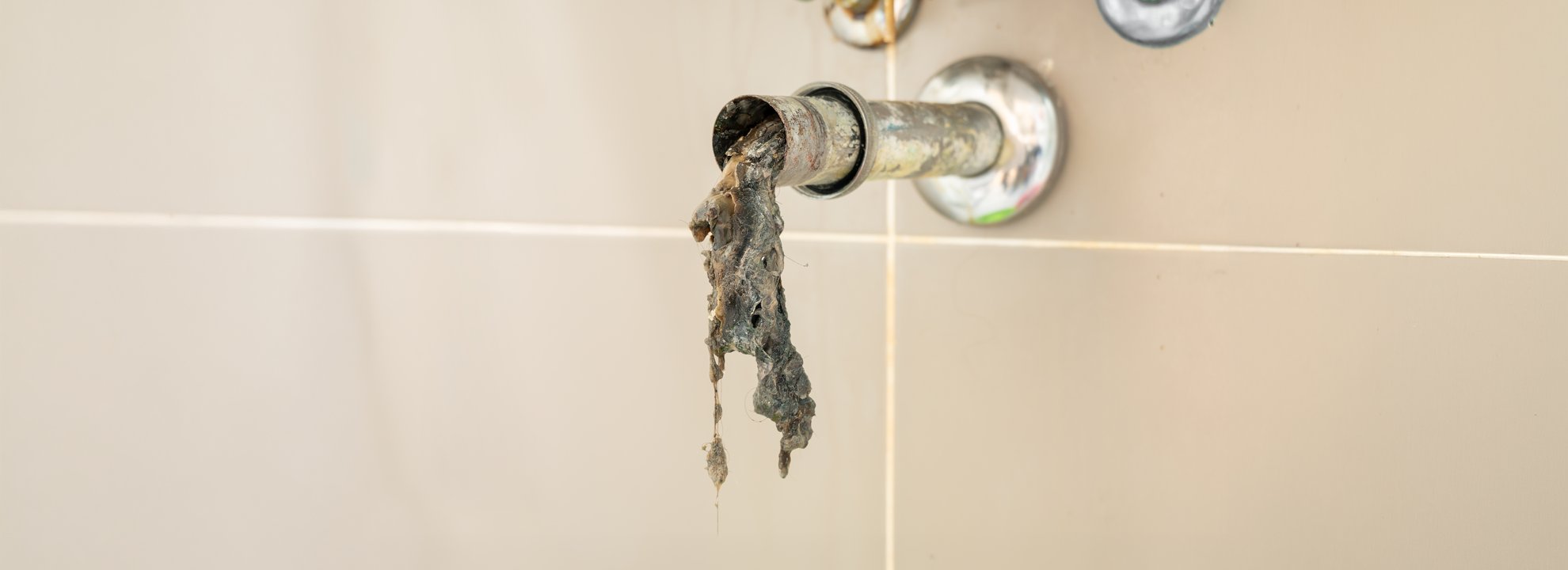
Flushing the wrong things can cause serious blockages - if it’s not one of the 3Ps, put it in the bin.
It might seem harmless, but flushing the wrong things can cause serious blockages in your home and across the sewer network. A good rule of thumb? If it’s not one of the 3Ps, put it in the bin.
What you can flush
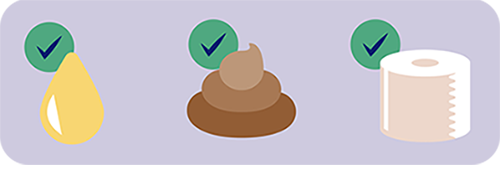
Only flush the 3Ps down your toilet:
✔ poo
✔ pee
✔ (toilet) paper
Anything else can cause a blockage, so only put these in the bin.
The flushable symbol
Look for the flushable symbol on products:
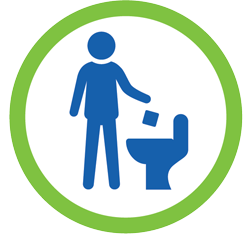
If there’s no symbol on the packaging or you're unsure, put it in the bin.
What you can’t flush
These items should never go down the toilet:
✘ Non-flushable wet wipes
✘ fats, oils or food scraps
✘ motor oils
✘ nappies
✘ underwear
✘ condoms
✘ non-biodegradable products
✘ paints and pesticides
✘ plastics
✘ tissues and paper towels
✘ tampons, pads and wrappers
✘ solvents, aerosols or disinfectants
✘ cotton buds and makeup wipes
Signs of a blocked sewer
You may have a blocked sewer if you notice:
- Water draining slowly from sinks, toilets or showers
- Gurgling sounds from pipes or toilets
- Bad smells coming from drains or toilets
- Toilets that won’t flush properly or overflow
- Wastewater backing up through drains or toilets
What to do if you have a blocked sewer
If you spot any of these signs, acting quickly can help prevent further damage to your home and the sewer network.
Here’s what to do if you think you have a blocked sewer.