
21 July 2021
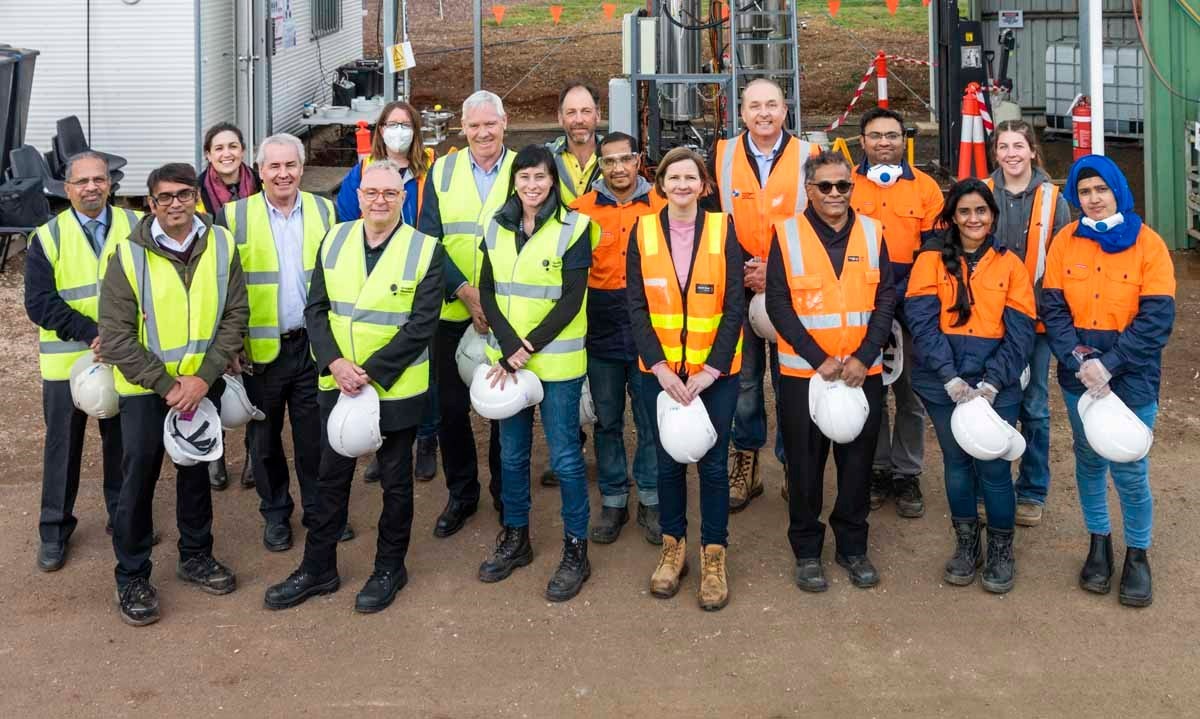
Our Melton Recycled Water Plant (RWP) is piloting innovative technology on site to convert biosolids to biochar, a material with a variety of uses for farmers and the wider agricultural industry.
Although significant progress has been made to increase reuse and reduce waste from our wastewater treatment processes, some waste – in the form of biosolids - is currently being stored or sent to landfills.
The biosolids to biochar project aims to eliminate waste from our wastewater treatment processes entirely by using innovative technology to convert excess biosolids to the value-added product, biochar.
PYROCO, developed by RMIT’s research team in collaboration with Greater Western Water, South East Water and Intelligent Water Networks, is the name for the energy-neutral process used to convert biosolids into biochar.
Piloting this process at Melton RWP has provided essential information to help understand how it could be used on a larger scale across the water industry.
Maree Lang, Greater Western Water’s Managing Director said she is delighted that Greater Western Water is part of this project:
“With a growing customer base and one of the largest service regions in Victoria, it’s so important that we find ways to add even more value to the work that we do. This project is an excellent example of like-minded organisations working together with a shared commitment to sustainable solutions. By reusing and adding value to biosolids, we recover local resources, reduce landfill and create renewable energy to reduce our greenhouse gas emissions.”