Using technology to help keep essential services flowing

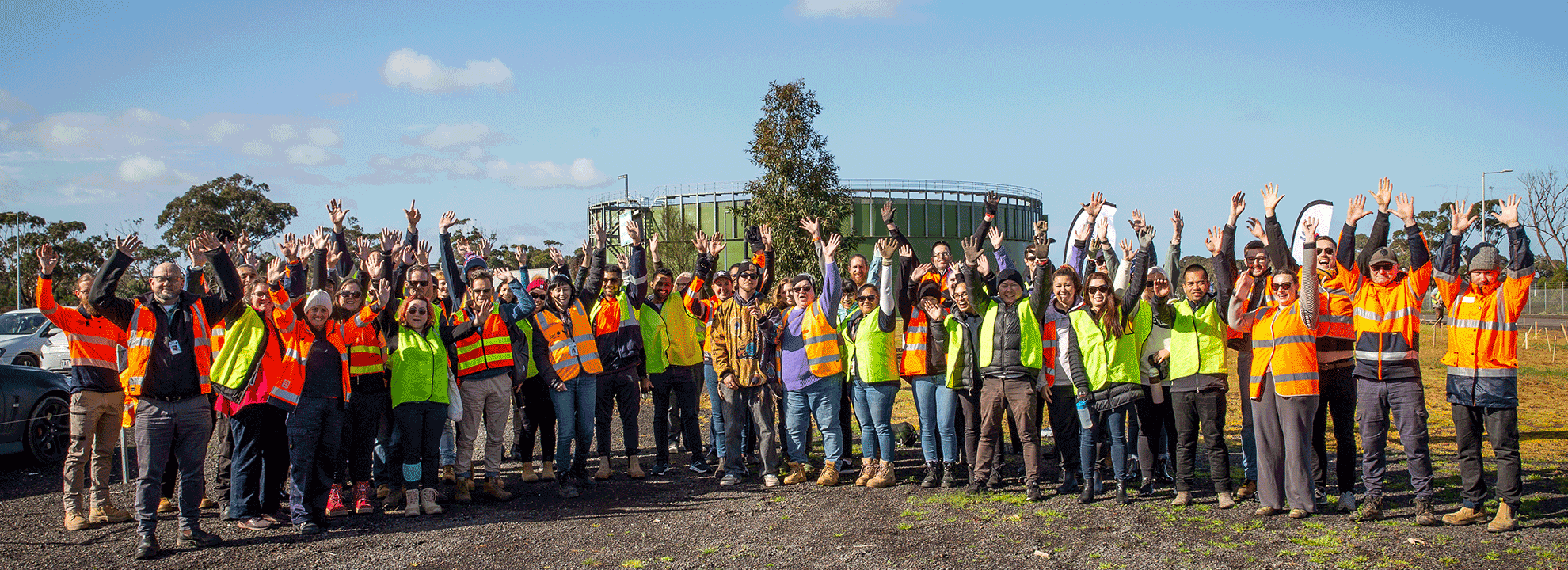
David helps renew ageing water and sewer pipes across Melbourne's west. It's work that happens mostly out of sight, but it helps keep essential services running for customers every day.
Most people don't think twice about turning on a tap or flushing a toilet.
For David, that's exactly the point.
As a Project Engineer at Greater Western Water (GWW), David helps renew ageing water and sewer pipes across Melbourne's west. It's work that happens mostly out of sight, but it helps keep essential services running for customers every day.
With more than 13 years in the industry, David manages projects that renew and rehabilitate water and sewer mains. Our teams look at factors such as age, condition and risk to decide which assets need attention, and David’s team completes the work of renewing these assets. By acting early, they can help prevent issues before they impact customers and communities.
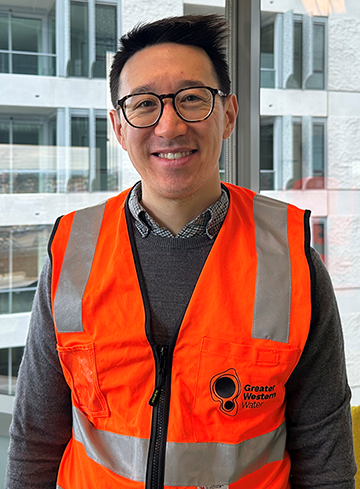
"Before working in the industry, you don't really think about turning on a tap or flushing a toilet. It just works. But there's a huge amount of work happening behind the scenes to keep everything running reliably."
A big part of that work happens underground.
To better understand the condition of the network, David's team uses sewer crawler robots fitted with CCTV cameras. The robots travel through pipes that are too small for people to enter, helping identify cracks, tree roots and other defects before they become bigger problems.
The technology gives the team a clear picture of the network's condition. It also helps crews work more safely and supports no-dig rehabilitation methods, reducing disruption for customers.
Looking ahead, David is excited about how artificial intelligence could support the industry. His team is helping provide feedback on AI tools that could support CCTV reviews and reduce time spent on manual assessments.
For David, the value of technology isn't the technology itself. It's how it helps teams make better decisions and deliver better outcomes for customers.
"What I enjoy most is seeing how projects come together from design through to construction. Everyone needs water, and it’s rewarding to know the work we do helps support our community today while continuing the work of those who came before us."
That sense of purpose has only grown through his time at GWW.
Visits to Maroondah Dam, Winneke Water Treatment Plant and Brooklyn Pump Station gave him a new appreciation for the scale of the infrastructure that supports Melbourne every day.
They also reinforced the long-term impact of the work his team delivers.
"Our water and sewer assets age, just like you and I. While renewal works can create some short-term disruption, we're investing in infrastructure that can serve the community for decades to come."
For David, that's one of the most rewarding parts of the role. The projects delivered today will benefit future generations for decades to come.
