We're monitoring the evolving H5 bird flu (avian influenza) situation in Victoria, and working closely with the Department of Energy, Environment and Climate Action and other authorities to stay informed and help keep customers and communities safe.
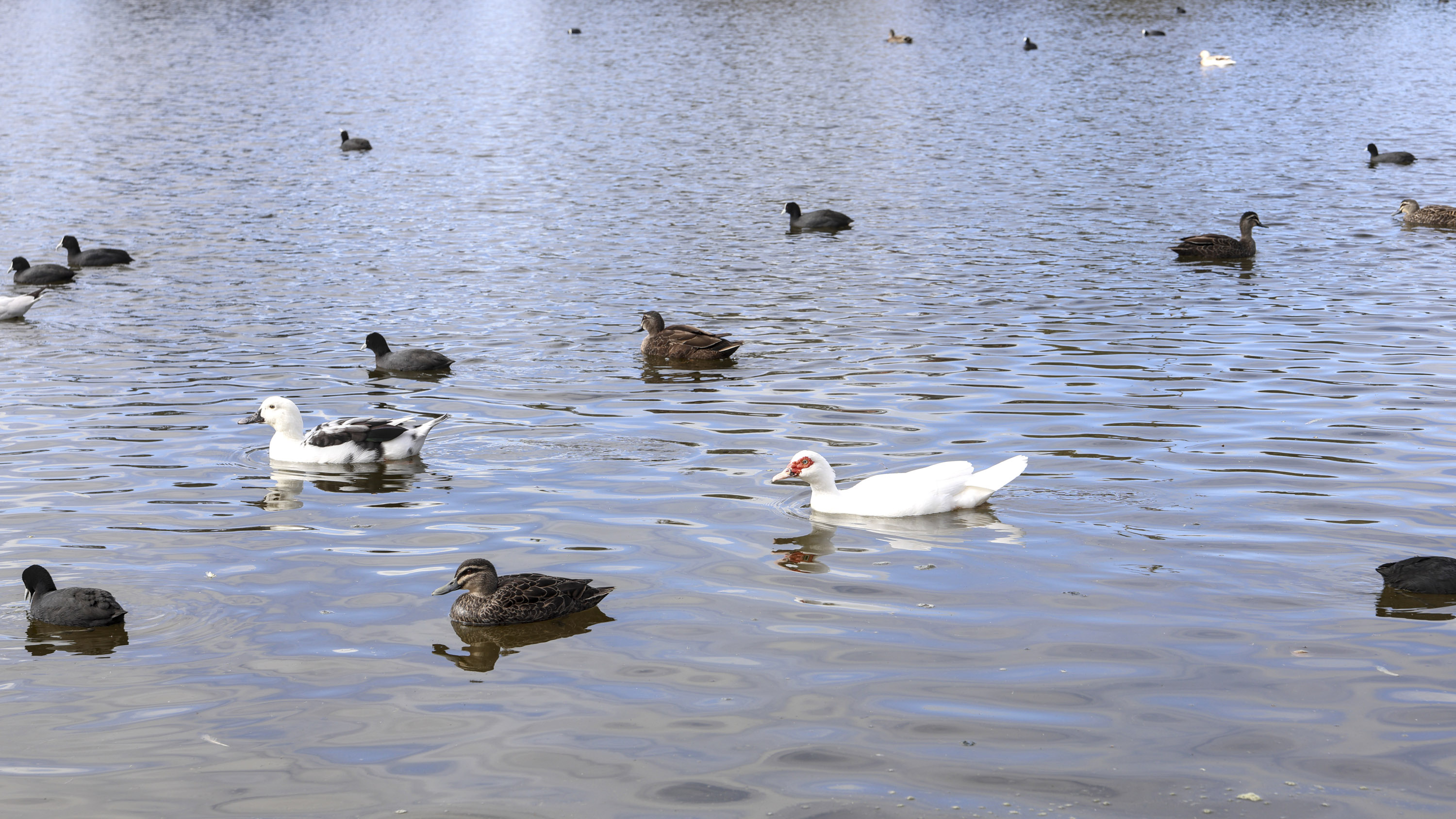
The H5 bird flu primarily affects birds and wildlife. We are providing information to help communities understand what to do if they encounter sick or dead birds, or wildlife.
Avoid. Record. Report.
If you see a sick or dead bird:
Avoid. Do not touch, handle or move sick or dead birds or wildlife.
Record. If it is safe to do so, take a photo or video and note the location.
Report. Report sick or dead birds and wildlife to the Emergency Animal Disease Hotline immediately on 1800 675 888. You can also use this online form here.
Yes. All drinking water supplied by Greater Western Water is treated and tested to meet strict Australian health and quality standards before it reaches customers.
Drinking water undergoes multiple treatment processes, including filtration and chlorination, to ensure it remains safe and suitable for drinking. These treatment processes are effective at removing or inactivating viruses and bacteria - including the H5 bird flu virus.
Customers can continue to drink tap water supplied through Greater Western Water's drinking water network as normal.
Will H5 bird flu be present in recycled water?
Recycled water is treated for different uses and classed as A, B or C depending on intended use. Our recycled water undergoes multiple treatment and disinfection processes, which may include filtration, ultraviolet (UV) treatment and chlorination. These processes are designed to remove or inactivate viruses, including H5 bird flu, and other harmful microorganisms.
Class A recycled water supplied to households can continue to be used as normal. This supply is subject to strict treatment, monitoring and quality requirements that protect against H5 bird flu.
It is highly unlikely that H5 bird flu would be present in Class B recycled water. Treatment processes include chlorine disinfection, designed to reduce potential health risks and manage harmful microorganisms.
Class C recycled water is not a disinfected product. Class C use rules are designed to account for the potential presence of viruses and other harmful microorganisms. Class C customers must continue to implement withholding periods, site access controls and direct contact controls, as set out in their supply agreements.
Should any recycled water supply be assessed as unsuitable for its intended use for any reason, Greater Western Water would take appropriate action, including suspending supply where necessary, until its suitability is confirmed.
The current risk of H5 bird flu to people in Australia is low. Human cases of H5N1 are very rare. They usually happen after people have close contact with sick birds or mammals.
It does not spread easily between people.
Stay informed
The situation continues to evolve, and Greater Western Water will continue to monitor advice from health, agriculture and emergency management agencies.
For the latest information about H5 bird flu in Victoria, including reporting requirements and health advice, visit Agriculture Victoria.